
Residential Inpatient Rehab in Houston, Texas
A structured, supportive setting for individuals who need full-time care.
Residential Treatment: What It Means
Taylor Recovery’s residential inpatient rehab program is located at our Sugar Land campus in the Houston, Texas area, providing 24/7 clinical support, evidence-based therapy, and a structured environment for individuals with substance use disorders.Residential Treatment is a level of care in which individuals live on-site at a treatment facility and receive continuous clinical and therapeutic support. This type of treatment is often considered when someone needs a structured, inpatient setting to safely address substance use and related mental health concerns.
Residential Treatment also provides a stable, highly structured environment where patients can focus on recovery without the distractions or triggers of daily life. Because care is delivered around the clock, individuals have consistent access to clinical staff, therapeutic programming, and supportive services throughout the day and night. This level of structure can be especially helpful during early recovery, when stability and routine are critical.
At Taylor Recovery’s Sugar Land campus, our residential treatment program is designed to support individuals who require inpatient-level care due to the severity or complexity of their condition. Treatment may include a combination of individual therapy, group counseling, behavioral therapies, and coordination with medical or psychiatric providers when appropriate. Care plans are developed to reflect each person’s needs, history, and treatment goals.
Please bear in mind that Residential Treatment is not limited to one type of substance or situation. It may be appropriate for individuals experiencing challenges related to alcohol or drug use, as well as those with co-occurring mental health concerns, who benefit from close monitoring and consistent support in Houston, Texas.
By offering a controlled, supportive setting with continuous care, Residential Treatment helps individuals build stability, engage fully in therapy, and prepare for the next phase of recovery.
If you’re unsure which level of care fits your situation, our team at Taylor Recovery in Houston, Texas, can surely help clarify options and next steps. Contact us today to get started.
Who May Benefit from Residential Treatment
Residential Treatment is designed for individuals who need a higher level of structure, supervision, and clinical support than outpatient care can provide. This level of care is often appropriate when substance use has begun to significantly impact daily functioning, physical health, mental well-being, or personal safety.
Here at Taylor Recovery, Residential Treatment may be recommended for individuals who have experienced repeated relapse, escalating substance use, or difficulty maintaining stability outside of a structured environment. It can also be helpful for those whose symptoms make it challenging to manage responsibilities at home, work, or school while participating in treatment. In these situations, a live-in setting allows individuals to step away from daily triggers and focus fully on recovery.
For some patients, residential inpatient care provides the level of support needed when co-occurring mental health concerns, such as anxiety, depression, or trauma-related symptoms, are present alongside substance use. Please know that close clinical monitoring and coordinated care can help address both substance-related and mental health needs in a more integrated way.
Families may begin exploring Houston inpatient drug rehab options when they notice increasing concerns around safety, health, or emotional well-being. Residential Treatment offers a supportive, supervised environment where individuals can receive consistent care while families gain reassurance that their loved one is not facing recovery alone.
Determining whether Residential Treatment is appropriate depends on many factors, including substance use history, prior treatment experiences, and current support systems. Know that an individualized assessment can help clarify whether this level of care aligns with a person’s needs and recovery goals.

Substance Use Disorders Treated in Residential Care
Residential care may be appropriate for individuals experiencing challenges related to a range of substances. Treatment is designed to address substance use patterns while also supporting physical stability, emotional regulation, and overall well-being. Because needs vary from person to person, care at Taylor Recovery is individualized and guided by clinical assessment rather than a one-size-fits-all approach.
At Taylor Recovery, residential programming supports individuals seeking residential addiction treatment Houston services in a structured, supervised setting. Below are some of the substances commonly addressed through residential care.
Alcohol
Residential care may support individuals whose alcohol use has begun to affect health, safety, or daily functioning.
Learn more about Alcohol Addiction Treatment in Houston.
Opioids (Prescription or Illicit)
Opioid use can present complex physical and psychological challenges that benefit from close monitoring and structured care.
Learn more about Opioid Addiction Treatment in Houston.
Stimulants
Substances such as cocaine or methamphetamine may require a higher level of support when use becomes difficult to manage independently.
Learn more about Stimulant Addiction Treatment in Houston.
Other Substances
Residential care may also support individuals experiencing challenges related to additional substances, depending on clinical needs and treatment planning.
Learn more about our other Drug Addiction Treatment at Taylor Recovery.
Perspectives from Individuals in Residential Care
Hearing from others who have participated in Residential Treatment can help reduce uncertainty and provide perspective during a difficult decision. These experiences reflect personal impressions of care and support, rather than outcomes or guarantees.
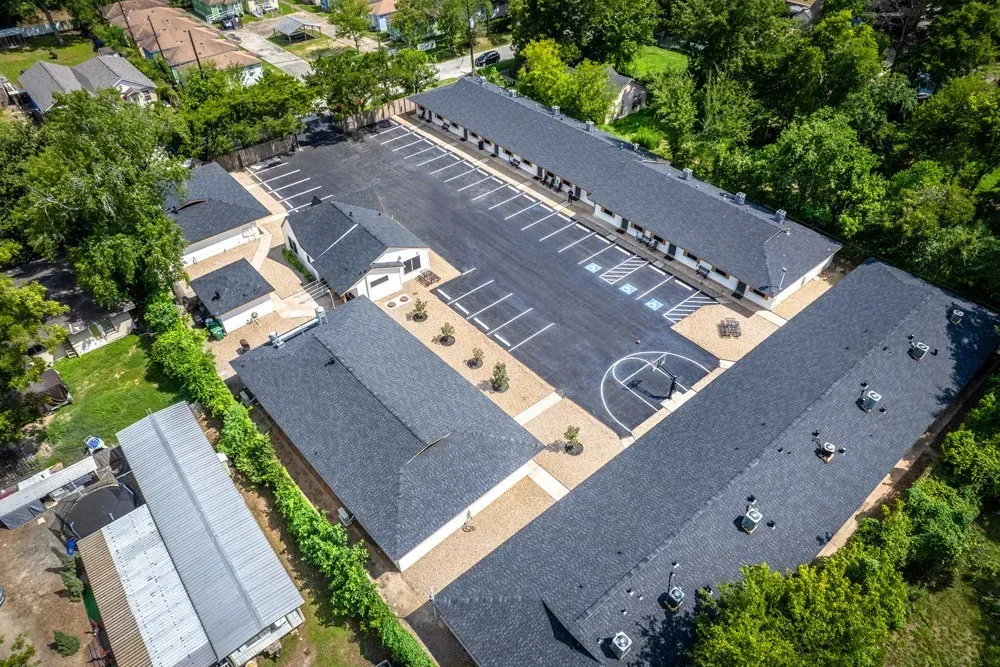
What Residential Inpatient Care Looks Like
residential inpatient rehab at our Sugar Land campus is designed to provide a structured, supportive environment where individuals can focus fully on treatment without the distractions or pressures of daily life. From the start, patients follow a consistent routine that helps create stability, predictability, and a sense of safety, especially during early recovery.
Care typically includes a combination of individual therapy, group counseling, and recovery-focused activities guided by clinical professionals. Because support is available around the clock, our patients have access to staff when questions, concerns, or emotional challenges arise. Know that this continuous presence can help reduce feelings of isolation and provide reassurance during difficult moments.
Families often want to know what day-to-day life looks like and how their loved one will be supported. While each treatment plan is individualized, residential inpatient care emphasizes supervision, accountability, and a calm environment that encourages engagement in the recovery process. While communication and involvement options vary, you can rest assured that our admissions staff can help families understand what to expect during treatment.
Overall, residential inpatient rehab at Taylor Recovery focuses on creating a stable foundation, helping individuals develop routines, coping strategies, and confidence as they prepare for the next stage of care.
If you have questions about daily structure or what residential care involves, our team can help provide clarity for the next steps. Contact us now at Taylor Recovery to get started on your inpatient care.
A Typical Day in Residential Treatment
A typical day in Residential treatment is designed to provide structure, predictability, and support. While schedules may vary based on individual needs and clinical planning, most days follow a consistent rhythm that helps reduce uncertainty and create stability.
Morning: Starting the Day with Structure
Daytime: Therapeutic Engagement
Evening: Reflection and Routine
Evenings are often quieter and focused on routine, reflection, and preparation for rest. In a Sugar Land live-in rehab setting, this predictable rhythm can help reduce overwhelm and support stability during early recovery.
To learn more about the daily structure or ask questions, call our admissions team or request a confidential conversation at Taylor Recovery in Houston, Texas.
Clinical Foundations of Residential Care
Effective addiction treatment is grounded in evidence-based practices that support both stabilization and long-term recovery. Research consistently shows that substance use disorders are complex, chronic conditions that benefit from structured care, clinical oversight, and continued support over time.
According to data published by the National Institute on Drug Abuse (NIDA), relapse rates for substance use disorders are comparable to those of other chronic health conditions, such as diabetes or hypertension, often ranging between 40–60%. This information is not meant to discourage treatment, but rather to highlight the importance of ongoing care, realistic expectations, and a treatment approach that extends beyond a single phase.
Residential Treatment is one part of a broader recovery path. For individuals entering inpatient rehab Houston TX, this level of care can provide the structure and supervision needed to stabilize symptoms, build coping skills, and establish daily routines in a supportive environment. However, please know that recovery does not end when residential care concludes.
Evidence-based care emphasizes continuity, meaning treatment plans are designed with the next steps in mind. After inpatient treatment, individuals may transition to another level of care that offers continued clinical and peer support while gradually increasing independence. This step-down approach helps reinforce progress, reduce disruption, and support long-term stability.
By combining structured treatment with a clear recovery pathway, evidence-based programs at Taylor Recovery focus on meeting individuals where they are, adjusting care as needs evolve, and supporting recovery as an ongoing process rather than a single outcome.
Support with Admissions, Insurance, and the Next Steps
Taking the next step often begins with a simple conversation. Whether you’re exploring treatment for yourself or a loved one, our admissions team can help answer questions about residential care, insurance coverage, and what the intake process may look like.
You can call us at (713) 557-8573 to speak directly with admissions, verify insurance benefits, or request a confidential follow-up. There’s no obligation to commit – this step is about getting clear, accurate information so you can make an informed decision at your own pace.
If you’re unsure where to begin, reaching out now can help bring clarity to what options are available and what support may be appropriate next.
Residential Treatment FAQs
How long does Residential Treatment usually last?
The length of Residential Treatment varies based on individual needs, clinical recommendations, and treatment progress. Many programs last several weeks, though some individuals may benefit from a longer or shorter stay depending on their situation.
How do I know if Residential Treatment is the right level of care?
Residential Treatment may be appropriate when outpatient care is not enough to provide stability or support. A confidential assessment can help determine whether a live-in, structured setting aligns with a person’s needs and treatment goals.
Does Residential Treatment include 24/7 supervision?
Yes. Residential Treatment provides continuous supervision and access to clinical support throughout the day and night, which can be especially helpful during early recovery or periods of increased vulnerability.
Can family members be involved during Residential Treatment?
Is inpatient treatment covered by insurance?
What should I bring to Residential Treatment?
Are pets allowed during Residential Treatment?
Yes. Taylor Recovery is a pet-friendly facility. Patients in residential treatment at the Sugar Land campus can bring their dogs and cats during their stay.
What happens after Residential Treatment ends?
Residential Treatment is often one step within a broader care plan. Many individuals transition to another level of care, such as outpatient services or supportive housing, to continue progress and maintain stability.
Help Starts with a Conversation
Reaching this point often means you’re considering next steps, even if you’re still unsure what those look like. We know that seeking help can feel overwhelming, but know you don’t have to make this decision alone or have everything figured out before reaching out.
Here at Taylor Recovery, our team is available to support individuals and families in the Greater Houston Area. You can call us at (713) 557-8573 or submit the form below to request a confidential follow-up. Indeed, help is available when you’re ready to take the next step.